


Pregnancy is a completely new phase you can enter while you are expecting. Pregnancy is a phase which can transform your body in many ways. Pregnancy can affect your body in many ways like it can alter hormonal levels, make significant changes in major systems i.e. circulatory system, digestive system, renal system, cardiovascular system, etc. Each system changes in a way which supports the body and developing baby in the pregnancy phase.
Main Body Changes During Pregnancy Phase:
- Hormonal changes
- Breast changes
- Digestive changes
- Cardiovascular changes
- Skin changes
- Renal changes
- Respiratory changes
- Uterus changes
- Sleep pattern changes
- Mental changes
- Musculoskeletal changes
- Weight changes
1. Hormonal Changes
Hormonal level alteration is the 1st and most powerful means of having major symptoms in the pregnancy phase. At the moment implantation occurs after fertilization, the body starts to make alterations in hormonal levels that regulate everything – from your mood swings to digestive and breast changes.
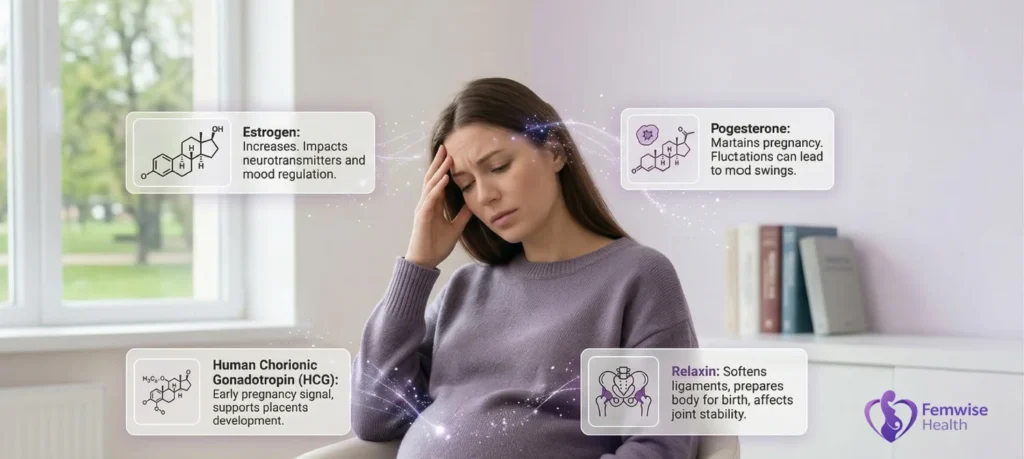
Key hormones involved –
- Estrogen
- Progesterone
- Human chorionic gonadotropin
- Relaxin
HCG hormone starts releasing just after implantation. Within a few days, the level of HCG raises up to twice its level. Let’s learn how all these hormones affect:
- High HCG level prevents menstruation
- HCG also supports progesterone production
- High progesterone maintains uterine lining
- High estrogen also increases blood flow and helps in fetal development
2. Breast Changes
Breast changes mainly occur due to the changes in hormonal levels in the body during pregnancy. These hormones are estrogen, progesterone, and prolactin. These changes ultimately support breast tissue for the production of milk.

Main noticeable changes in breast tissue are –
- Increase in size of breast – Hormonal changes lead to growth of milk ducts in breast tissue and also support growth of glandular tissue. Hormones increase fat deposition and add volume to it and result in increased size of breast tissue.
- Hyperpigmentation of areola – Hormonal changes lead to an increase in melanin production in the body. It also leads to enlargement of areola and it becomes hyperpigmented because of hormonal alteration.
- Visible veins – Hormonal changes lead to increased blood supply to the breast tissue. This increased blood supply also provides essential nutrients needed for milk production. Because of increased blood supply, blue and green veins become prominent. It is completely normal and indicates increased blood supply to breast tissue.
- Tingling, sensitivity and soreness – Hormonal changes also increase the nerve sensitivity of the breast tissue. Rapid growth of breast tissue leads to stretching of skin tissue. This leads to increased sensitivity and tingling sensation during pregnancy phase.
- Colostrum production – During 2nd trimester, some women can produce colostrum, also known as early milk. Colostrum is a thick yellowish fluid and it is a rich source of nutrients and antibodies. It provides early immunity to the newborn baby.
3. Digestive Changes
From the start of the pregnancy phase, hormones start to make changes in how the body digests food. These changes are made so that there should be proper growth of the developing baby.

Primary hormones responsible are –
- Estrogen
- Progesterone
- Human chorionic gonadotropin
Because of these hormones, food moves slowly inside the GIT and therefore digestion becomes slow. The main hormone is progesterone. This hormone is a muscle relaxant and it relaxes the muscles throughout the body, and hence smooth muscles of GIT undergo relaxation and food moves slowly.
These are common and typically reflect normal physiologic adaptation rather than disease. PMC Reference
Common digestive symptoms are –
- Constipation
- Nausea and vomiting
- Bloating and gas
- Acid reflux
- Heartburn
These are common digestive symptoms you can face during your pregnancy phase because of alteration in the digestive system.
4. Cardiovascular Changes
During pregnancy, major adaptations occur in the cardiovascular system so it can support the increasing demand of your body and your developing baby. From the early pregnancy phase, these changes start to occur to support proper blood supply to the developing baby.
During pregnancy there is increased demand of oxygen, nutrients, and waste removal. That’s why estrogen and progesterone changes lead to alteration in the cardiovascular system and these changes are:
- Modifying the blood vessel tone
- Increased blood volume (increases up to 30% to 40%)
- Increased heart efficiency
Common symptoms related to cardiovascular changes are –
- Dizziness
- Fatigue
- Swelling
- Hot flushes
To avoid these symptoms, do this –
- Sleep on your left side
- Stay hydrated
- Stand up slowly
- Elevate your legs while you are resting
- Do some light workout or exercise or yoga
- Eat iron-rich food items
5. Skin Changes
Noticeable changes in skin tissue can be seen in early phase of pregnancy. This can come as a glow of pregnancy or can lead to changes like acne, pigmentation, etc.
Key hormones responsible are –
- Estrogen
- Progesterone
- Melanocyte stimulating hormones
Common changes are increase in pigmentation of skin tissue, increased blood makes glowing skin, and skin stretching occurs.
Common symptoms are –
- Melasma
- Linea nigra
- Stretch marks
- Acne
What you can do to avoid these symptoms –
- Use sunscreen daily
- Stay hydrated
- Avoid sun exposure
- Avoid harsh skincare treatments
6. Renal Changes
It is one of the most common and earliest changes occurring during early pregnancy. You can notice it when you have to use the washroom more frequently than normal. You can feel inconvenience in the beginning because you have to pee many times a day.
Common symptoms of renal changes are –
- Frequent urination
- Occasional leakage can occur
- Urinary changes because of altered kidney activity
- Burning pain during micturition
What you can do to avoid this –
- Try to do Kegel exercise
- Drink small frequent amounts of fluids throughout the day
- Reduce fluid intake before bedtime
7. Respiratory Changes
Shortness of breath during pregnancy phase of life is common. It can be more prominent if you are physically less active. This is completely normal, it doesn’t mean you are having lung issues. These changes are important because oxygen demand of the body increases. Your breathing becomes deeper and oxygen transfer becomes more efficient.
What you can do to ease breathlessness –
- Maintain good posture for proper lung expansion
- Use a pillow for slight elevation of your body
- Try to practice gentle breathing exercises
- Take breaks during physical activity
8. Uterus Changes
The most visible and obvious change during pregnancy is the increase in size of the uterus so the developing baby gets proper space for growth. The uterus rises above the pelvic bone and the abdomen starts rounding outward.
The uterus expands up to the rib cage and internal organs also shift aside to create enough space for the developing baby. The uterus grows and compresses the urinary bladder, pushes the intestine aside, and also shifts the centre of gravity.
Common changes are –
- Growing baby bump
- Stretching sensation
- Mild cramps
What you can do –
- Stay hydrated to reduce cramps
- Maintain good posture to reduce strain
- Do exercise
- Use belly belts if you need support
- Avoid jerky movements
9. Sleep Pattern Changes
Sleep pattern changes a lot during the pregnancy phase. It is one of the common changes that you face. It can happen because of physical discomfort, emotional changes, and hormonal changes.
Hormones like progesterone can produce a sedative effect and make you sleepy during daytime and also disrupt normal sleep at night.
Common issues are –
- Insomnia
- Frequent waking
- Vivid dreams
Tips to improve sleep pattern –
- Use pillows to support belly
- Sleep and wake at the same time
- Avoid heavy meals before sleep
- Stretch gently to reduce cramps
10. Mental Changes
Pregnancy is not only a physical transformation—it is also a profound emotional and psychological journey. Many women experience noticeable mood shifts and mental changes, even if they have never struggled with emotional health before.
These changes are influenced by hormonal fluctuations, brain chemistry adjustments, and the major life transition that pregnancy represents. Understanding these shifts can reduce fear and help you seek the right support when needed.
Common changes are –
- Emotional sensitivity
- Anxiety
- Excitement mixed with stress
Research shows pregnancy can temporarily alter certain brain structures related to:
- Emotional processing
- Social awareness
- Protective instincts
These neurological adaptations may help strengthen maternal bonding and caregiving behaviours.
Healthy ways to support mental health –
- Light physical activity
- Talk to your partner, family and friends about how you feel
- Meditation can calm stress
11. Musculoskeletal Changes
As pregnancy progresses, your body undergoes important changes in muscles, bones, and joints to support your growing baby and prepare for childbirth. These adjustments help your body carry extra weight, maintain balance, and allow the pelvis to expand during delivery.
Common changes –
- Lower back pain
- Loosening of joints
- Posture changes
- Leg cramps
Healthy ways to relieve these –
- Use a firm chair with back support
- Keep shoulders relaxed
- Stretching improves flexibility and strength
- Stay hydrated
- Light walking may help
12. Weight Changes
Weight gain during pregnancy is a natural and essential part of supporting your baby’s growth and development. It is not just about body fat—this weight includes the baby, placenta, amniotic fluid, increased blood volume, and other physiological changes.
Understanding healthy weight gain can help you stay confident and avoid unnecessary stress.
Distribution of weight –
- Baby: ~3–3.5 kg
- Placenta: ~0.5–1 kg
- Amniotic fluid: ~1 kg
- Increased blood volume: ~1–1.5 kg
- Body fluids: ~1–2 kg
- Fat stores: ~2–4 kg
This shows that weight gain is functional and necessary, not excessive. For most women, the typical healthy range is around 11–16 kg.
Common Myths to Avoid –
- “Eat for two” → You need slightly more calories, not double portions
- “Weight gain should be avoided” → Restricting weight can harm the baby
- “All weight is fat” → Most weight supports pregnancy functions
Frequently Asked Questions (FAQ)
Clinical case study
Case: 28-year-old primigravida at 10 weeks presents with fatigue, nausea, breast tenderness, and frequent urination. Vital signs stable; urine dipstick negative for infection. Serum hCG is appropriately elevated for gestational age.
Interpretation: Symptoms are consistent with normal early pregnancy physiology (hCG-driven nausea, progesterone-related urinary frequency and GI slowdown). Counseling focused on hydration, small frequent meals, rest, and red-flag symptoms (fever, severe abdominal pain, heavy bleeding) that would require urgent evaluation. (hCG physiology and early pregnancy symptomatology are discussed in clinical reviews.)
Note from Femwise Health
Pregnancy is not the same for every woman—your experience is unique. Some changes may feel overwhelming, but they are your body’s way of nurturing new life.
Listening to your body, maintaining regular check-ups, and staying informed can make this journey smoother and healthier.